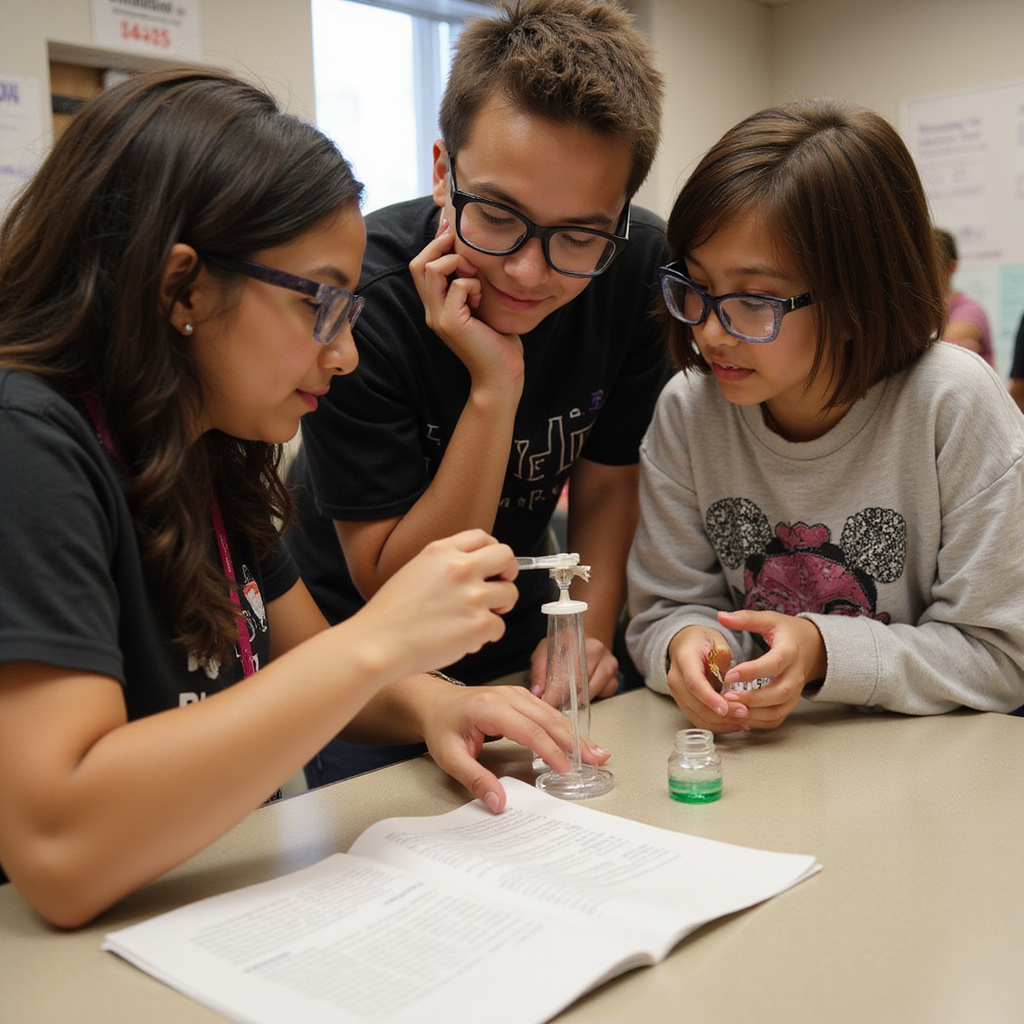
Summer STEM programs for high school students give teens meaningful learning opportunities when school is out. Instead of losing academic momentum, students explore science, technology, engineering, and math through structured hands-on experiences. These programs help students build practical skills, discover career interests, and gain confidence in technical subjects that often feel intimidating during the school year.
District leaders and principals invest in summer STEM learning to extend learning beyond the traditional calendar. With support from AGC Education, schools can offer high quality programs that include curriculum planning, instructor training, and classroom ready tools. AGC Education helps districts design summer programs that align with workforce goals and college readiness standards.
Summer STEM programs for high school students offer immersive learning that is difficult to fit into short class periods. Students can focus on longer projects, collaborate in teams, and explore real world challenges. This deeper engagement strengthens problem solving, critical thinking, and communication skills.
Administrators value summer programs because they reduce learning loss and expand access to enrichment opportunities. Students who may not have resources for private camps can still experience advanced learning through district programs. With guidance from AGC Education, schools create inclusive programs that support diverse learners and promote equity in STEM access.
Strong summer STEM programs include structured curriculum, hands on projects, trained instructors, and clear learning outcomes. Programs should emphasize design thinking, experimentation, and iteration. Students learn to test ideas, analyze results, and refine solutions.
Teacher preparation is essential. Professional development ensures instructors can deliver engaging content in a condensed timeline. Schools benefit from ready to use lesson plans, project kits, and assessment tools. AGC Education provides turnkey program models that simplify setup and ensure consistency across program sites.
Career exposure increases impact. Industry themed projects, mentorship opportunities, and college pathway discussions help students connect STEM learning to future options. This relevance improves motivation and program retention.
Summer STEM programs for high school students increase engagement because students choose to participate. This voluntary environment builds ownership and confidence. Students develop teamwork, presentation skills, and technical literacy that transfer back into the school year.
Schools benefit from stronger enrollment in advanced STEM courses after summer programs. Students return more motivated and prepared for higher level coursework. Districts also benefit from building a pipeline into robotics, engineering, and technology pathways.
Summer STEM Programs for High School Students: How to Design Impactful Learning That Lasts Beyond Break
Summer STEM programs for high school students should feel like a launchpad, not a one week camp. Design programs around a real STEM project and a real audience so students build critical thinking, communication skills, and confidence with science and engineering. Clarify requirements, housing or commuter options, sessions, duration, and pricing, then make registration simple. Secure funding and dates early to lock in a competitive and memorable STEM summer program.
Why Summer STEM Programs for High School Students Are a Strategic Investment for Districts
When budgets tighten, every initiative must earn its place. Summer STEM programs for high school students protect learning gains, build workforce skills, and strengthen district outcomes. These programs extend learning in a focused way that supports math and science growth, attendance, and student confidence.
Staffing concerns are common. The strongest STEM summer programs solve this with ready to run curriculum, clear requirements, and flexible delivery for in person and online formats. Options for commuter models, housing support, or campus partnerships help districts serve diverse student needs.
High school students want experiences they can write about in college applications. A strong project sequence in robotics, engineering design, data science, or biomedical engineering provides proof of skills developed, not just hours attended.
Plan early. Seats, staffing, and funding timelines fill quickly. Request program options and pricing to reserve sessions before calendars fill.
CTA: Ask for a summer STEM program plan and quote tailored to your grade levels, staffing, and schedule.
Key Components of High Quality Summer STEM Programs for High School Students
High quality summer STEM programs focus on outcomes, not busywork. The strongest programs center on a clear STEM project, expert instruction, and measurable results such as skills developed, artifacts produced, and confidence gained.
Look for programs that blend science and engineering with real deliverables that support college admissions. Strong offerings clearly define grade levels, duration, week sessions, and housing details so districts can plan staffing and transportation.
Safety, supervision, and flexibility for commuter and online students matter. Prioritize transparent pricing, financial aid options, and documented outcomes from prior cohorts. Request sample schedules, registration timelines, and example deliverables early.
Project Based Learning, Real World Problems, and Authentic STEM Challenges
High quality STEM summer programs lead with authentic problems, not long lectures. Students work on engineering design challenges, data investigations, or community based builds that require testing, iteration, and decision making.
The best programs use project based learning to build critical thinking and communication skills. Students may design low cost sensors, model real systems with code, or prototype robotics in makerspaces. These mirror experiences found in research programs and early college labs.
Districts should ask for clear rubrics, final deliverables, and outcome reporting. Request sample projects and assessment tools before registering to ensure funding can be justified.
Balancing Academic Rigor With Hands On STEM Activities
Effective summer enrichment balances academic rigor with hands on activities that feel meaningful. Short instruction cycles followed by immediate lab time help students apply math and science through building, testing, and debugging.
Strong programs include team based work and social engagement while still producing evidence for transcripts, certificates, or college credit when available. Request daily schedules, grading approaches, and credit options early. Popular sessions fill quickly.
Types of Summer STEM Programs for High School Students: Formats, Models, and Pathways
Districts choose formats based on grade levels, staffing, transportation, housing, and access to campus or makerspaces. The right mix increases completion rates and family buy in.
Short camps and weeklong workshops boost engagement and confidence with robotics, coding, and engineering design. Multi week academies and institutes add mentoring and research skills that support college admissions. Credit bearing summer courses offer college credit and clear application requirements.
Competitive campus and internship linked programs fill early. Share your calendar, student profile, and budget to get recommendations that match your goals and simplify registration.
Integrating Makerspaces, 3D Printers, and STEM Lab Technology Into Summer STEM Programs
Makerspaces turn summer STEM programs into high impact learning experiences. With 3D printers, laser engravers, robotics, and core lab technology, programs become true academic enrichment rather than simple summer school.
Define requirements, project stages, and routines faculty can repeat across sessions. Students build engineering design, problem solving, and communication skills while districts gain visible artifacts for reporting and family communication.
Run the same projects in person and online using shared design files. Showcase results with posters and demo sessions. Request a makerspace plan that fits your grade levels, staffing, and budget.
Designing Curriculum for Summer STEM Programs for High School Students With Real World Impact
Strong summer STEM programs begin with real problems students recognize in their community and solve using science, engineering, data, and design.
Use a simple challenge cycle: define the problem, research, prototype, test, and present. This structure works for robotics, environmental monitoring, biomedical engineering, aerospace, or computing and creates outcomes students can use in portfolios and applications.
Plan logistics early. Set clear grade level requirements, session schedules, and participation models for campus, commuter, and online students. If housing is offered, include supervision, safety protocols, and social programming.
Programs with demo days, portfolios, and certificates earn higher repeat enrollment. These deliverables help students showcase skills in college applications and interviews.
Aligning Summer STEM Projects to NGSS, Math Standards, and Graduation Requirements
Alignment helps districts justify funding and scale programs. Map each project to NGSS, math standards, and graduation requirements to gain administrative buy in.
Choose anchor standards for each project. Tie engineering design to modeling and data analysis. Use a standards crosswalk that links learning targets, activities, and assessments. Practical assessments include lab notebooks, code repositories, and design reviews.
Clear progression by grade level improves placement and staffing. Request reusable alignment templates to speed approvals.
Embedding Career Exploration and Industry Partnerships Into Summer Learning
Career exploration works best when embedded into projects. Add short weekly career sprints with mentor talks, role breakdowns, and reflections tied to college goals.
Industry partners can provide design constraints, feedback, or code reviews. Even virtual sessions with university labs raise program quality without major cost. Set clear expectations for time, safety, and deliverables.
Share student outcomes and artifacts on program pages to build trust and social proof with families and stakeholders.
Student Certifications and Micro Credentials as Outcomes of Summer STEM Programs
Meaningful certificates change how families perceive summer programs. Micro credentials help districts demonstrate ROI to boards and grant funders.
Match credentials to project tracks. Robotics programs can issue safety and tool use badges. Computing tracks can award programming or data credentials. Science pathways can offer lab technique or research documentation badges.
Provide digital certificates with verification links and skill descriptions. Optional upgrades include portfolio reviews and college credit alignment.
Implementation, Staffing, and Training for Sustainable Summer STEM Programs
Sustainable programs require clear roles and repeatable systems. Define responsibilities for program leads, site coordinators, educators, mentors, and operations staff.
Standardize lesson templates, rubrics, supply lists, and family communication. This allows programs to scale across campuses or formats without rebuilding each summer.
Hire early and publish clear pricing and requirements. Consistent quality supports college application narratives and long term district goals. Request a reusable staffing and training blueprint to simplify future launches.
How AGC Education Supports High School Summer STEM Programs With Technology and Training
AGC Education helps districts design competitive, college prep level summer programs with strong logistics and staff support. Programs can focus on capstone projects, research skills, or applied science and engineering.
Districts receive aligned equipment lists for makerspaces, robotics, biomedical engineering, aerospace, and game design, along with pricing guidance for commuter, day, and housing models.
EmpowR Academy provides routines, pacing support, and troubleshooting so staff can focus on instruction. Take home kits and hybrid options support virtual programs and advanced learners.
The result is a summer STEM experience that strengthens critical thinking, problem solving, communication skills, and portfolios for college applications.
engineering summer programs for high school students engineering summer programs for high school students engineering summer programs for high school students engineering summer programs for high school students university of michigan master classes engineering summer programs for high school students engineering summer programs for high school students engineering summer programs for high school students engineering summer programs for high school students engineering summer programs for high school students workshop engineering summer programs for high school students internships johns hopkins center for talented youth rsi practicum internships research science institute engineering summer programs for high school students engineering summer programs for high school students engineering summer programs for high school students engineering summer programs for high school students summer camps engineering summer programs for high school students engineering summer programs for high school students engineering summer programs for high school students internship rsi