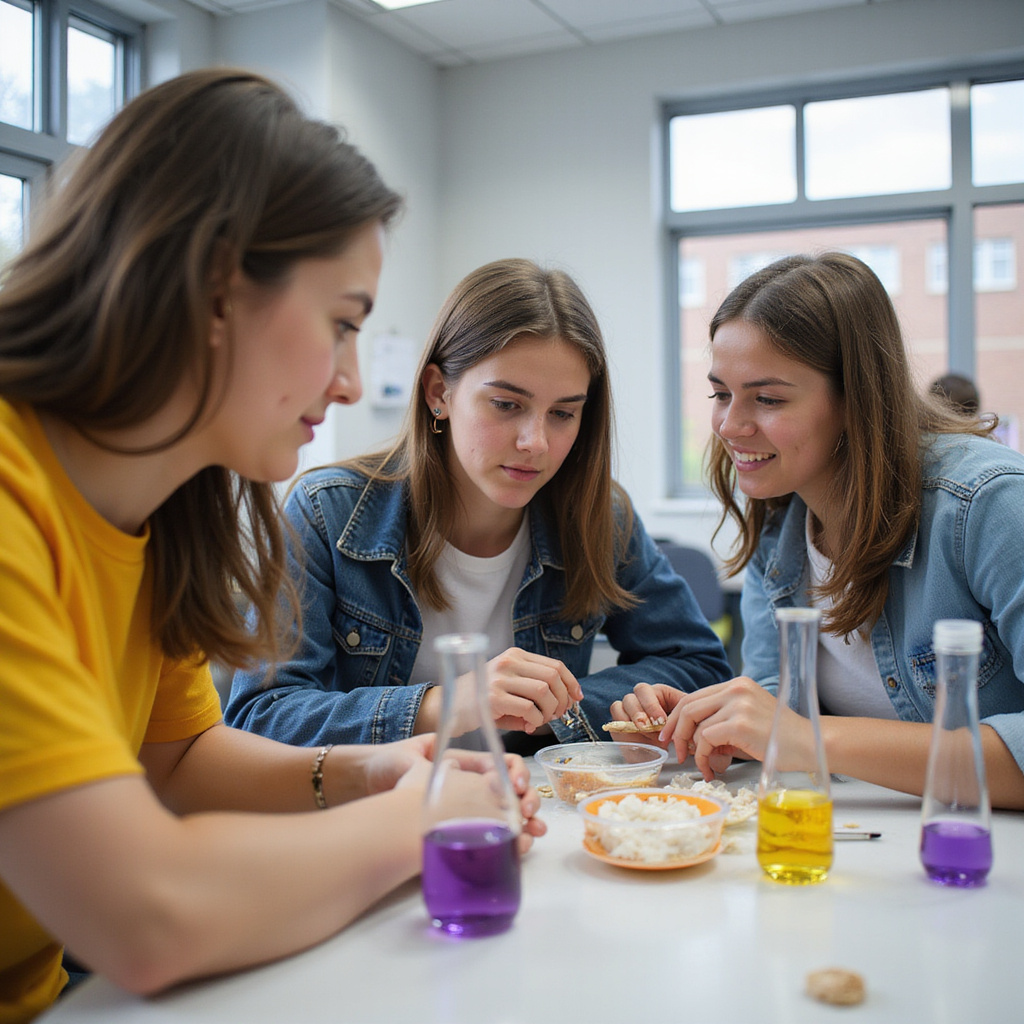
Administrators value research programs because they raise academic rigor and expand opportunities for advanced learners. These programs also support equity by giving more students access to research experiences that were once limited to elite programs. With guidance from AGC Education, schools can create inclusive research opportunities that fit district resources and instructional goals.
Effective research programs include mentorship, structured research frameworks, and clear outcomes. Students benefit from guidance on how to define research questions, manage projects, and document findings. Programs should include time for experimentation, iteration, and presentation of results.
Teacher preparation is essential. Educators need training on research methods, data collection, and assessment. Schools benefit from program models that include lesson plans, project templates, and evaluation tools. AGC Education provides turnkey research program structures that help teachers launch programs without starting from scratch.
Partnerships add value. Collaborations with local colleges, labs, or industry professionals can strengthen relevance and expose students to real research environments. This connection increases student motivation and program credibility.
STEM research programs for high school students improve academic confidence by showing students they can contribute to real investigations. Students develop persistence, attention to detail, and professional communication skills. These traits transfer to other academic subjects and future careers.
Students who participate in research programs are more likely to pursue STEM majors and advanced coursework. Schools benefit from stronger academic reputation and improved student engagement in advanced pathways.
STEM Research Programs for High School Students: How to Design, Fund, and Scale Impactful Initiatives
STEM research programs for high school students turn “we offer STEM” into “our students do research.” Instead of a few motivated students finding summer research or an internship on their own, schools can build research opportunities directly into the school day, curriculum, and budget.
You do not need a university laboratory to get started. You need a clear program model, scaffolded research skills in data collection and analysis, and sustainable mentoring structures that support students across grade levels.
For a launch ready and fundable research program this year, request a consultation to map goals, timelines, and resources.
What Are STEM Research Programs for High School Students and Why Do They Matter?
STEM research programs for high school students move learning beyond worksheets and canned labs into authentic science and engineering experiences. Students ask meaningful questions, design experiments, analyze data, and present findings through posters, reports, and presentations. Programs can operate during the school year, after school, online, or as summer research experiences.
For districts, these programs turn STEM from a requirement into a measurable outcome that strengthens college readiness. Students gain research skills, deeper subject knowledge, and real world experience that stands out in applications and interviews. Families also value schools that offer advanced research opportunities as part of their academic pathway.
How STEM Research Programs Build College and Career Readiness
High school research programs help students develop skills colleges and employers expect, including critical thinking, data literacy, and scientific communication. Completing a research project builds confidence in presenting ideas, defending methods, and working in teams. These skills directly support admissions interviews, scholarship applications, and future internships in science, engineering, and technology fields.
Key Components of High Quality STEM Research Experiences in K12 Settings
Strong research programs include clear research questions, structured mentorship, defined milestones, and a final product such as a poster, paper, or prototype. Programs work best when aligned with curriculum standards and supported by teacher training, student safety protocols, and access to appropriate tools for data collection and analysis.
Aligning STEM Research Programs With District Vision, Standards, and Strategic Plans
When districts invest in STEM research programs, alignment with the strategic plan and graduate profile is essential. Clear connections to college readiness, CTE pathways, and academic goals turn enrichment into a fundable instructional strategy. Leaders should define outcomes, metrics, and reporting structures to ensure research programs support district priorities and long term success.
Connecting STEM Research Programs to Graduation Profiles and Strategic Goals
Research programs should map directly to graduation competencies such as communication, problem solving, and technical skills. When students complete research projects aligned to these goals, districts can demonstrate measurable impact in achievement, engagement, and postsecondary readiness.
Mapping STEM Research Projects to NGSS, CTE Pathways, and Academic Standards
Projects should align with science standards, career pathways, and core subjects such as math and computer science. This alignment ensures research supports required coursework while preparing students for industry certifications, internships, and advanced study.
Types of STEM Research Programs for High School Students
Districts need models that fit real schedules and staffing. Effective options include course embedded research, after school and summer programs, and capstone or dual enrollment pathways. The best models include clear timelines, trained mentors, and a defined final product that showcases student learning.
Course Embedded STEM Research Projects in Science, Math, and CTE Classes
Course embedded research integrates projects into existing classes. Biology classes can study local ecosystems, math courses can analyze real data sets, and CTE pathways can prototype engineering solutions. This approach scales participation and ensures research is accessible to more students.
After School, Summer, and Makerspace Based STEM Research Programs
After school and summer programs provide flexible options for extended projects and mentorship. Makerspaces support prototyping, design thinking, and applied engineering challenges. These formats work well for students seeking deeper exploration beyond the classroom.
Capstone, Independent Study, and Dual Enrollment STEM Research Options
Capstone and dual enrollment options give juniors and seniors opportunities to complete advanced research projects tied to college credit or career pathways. These programs support motivated students who want rigorous, portfolio ready research experiences.
Designing Rigorous STEM Research Projects for High School Classrooms
Rigorous research requires clear questions, testable hypotheses, and realistic methods. Projects should fit the bell schedule and available resources while maintaining academic standards. Structured timelines with checkpoints for data collection, analysis, and revision help students complete meaningful work without burnout.
Choosing Age Appropriate STEM Research Questions and Real World Problems
Research questions should be challenging but achievable for high school students. Real world problems such as environmental monitoring, health data analysis, or community design challenges increase relevance and student engagement while building practical research skills.
Using Community and Campus Challenges as STEM Research Prompts
Local issues such as water quality, traffic safety, or energy use provide authentic research prompts. Community partnerships can supply data, context, and mentorship, helping students connect classroom learning to real world impact and civic responsibility.
Structuring the STEM Research Process From Hypothesis to Presentation
A clear research process includes question design, hypothesis development, data collection, analysis, and presentation. Teaching this structure builds transferable skills students can use in future coursework, internships, and college research opportunities.
Scaffolding Data Collection, Analysis, and Iteration for High School Students
Scaffolded instruction helps students manage complex research tasks. Checklists, rubrics, and peer review support quality work while teaching iteration and improvement based on feedback and evidence.
Essential Equipment and Technology for STEM Research Programs in High School
The right equipment reduces friction and increases research quality. Core tools include computers for analysis, 3D printers for prototyping, and presentation tools for communicating results. Reliable equipment and support allow teachers to focus on instruction instead of troubleshooting.
How 3D Printers and Makerspace Tools Elevate STEM Research Programs
3D printers support rapid prototyping, design testing, and engineering research. Makerspace tools encourage hands on exploration and iterative problem solving across engineering, science, and technology projects.
Sample STEM Research Projects Using 3D Printing and Rapid Prototyping
Students can design assistive devices, model scientific instruments, or prototype engineering solutions. These projects build applied skills and connect research concepts to tangible outcomes.
Using Poster Printers, Displays, and Laser Tools for Research Communication
Large format printing and display tools help students present findings professionally. Visual communication strengthens research showcases and prepares students for academic conferences and college presentations.
Supporting STEM Research With Durable Classroom Materials
Durable materials such as laminators, cutters, and storage systems protect student work and streamline classroom logistics. This improves program sustainability and presentation quality across cohorts.
Building Teacher Capacity to Lead STEM Research Programs
Sustainable programs require multiple trained educators. Shared curriculum, rubrics, and coaching support consistent instruction. Professional development builds confidence in mentoring research projects and guiding students through data analysis and presentation.
Professional Development Models for STEM Research Instruction
Effective training includes workshops, co teaching, and ongoing coaching. Teachers benefit from practical examples, project templates, and assessment tools that reduce planning time and improve program quality.
Leveraging EmpowR Academy and Educator Designed Training
Educator designed training programs provide repeatable models and classroom tested strategies. These supports help districts scale research programs without relying on a single staff member.
Onboarding New Teachers Into Existing STEM Research Programs
New teachers need clear documentation, mentoring support, and access to shared resources. Structured onboarding ensures continuity and protects program quality during staff transitions.
Student Engagement, Equity, and Access in STEM Research Programs
Equitable programs expand access beyond honors tracks. Integrating research into core courses ensures more students participate. Clear pathways from early exposure to advanced projects support long term engagement and persistence in STEM fields.
Strategies to Engage Underrepresented Students in STEM Research
Outreach, flexible scheduling, and mentorship support participation from underrepresented groups. Removing barriers such as fees and transportation increases access to research opportunities.
Designing STEM Research Programs for Diverse Learners and Support Needs
Programs should include differentiated supports, accessible tools, and flexible pacing. This ensures students with varied learning needs can succeed in authentic research experiences.
Assessment, Feedback, and Showcasing STEM Research Projects
Assessment connects research skills with communication outcomes. Rubrics, checkpoints, and showcases provide clear expectations and meaningful feedback. Consistent assessment supports college readiness and program evaluation.
Rubrics and Performance Tasks for Evaluating STEM Research Programs
Shared rubrics align expectations across campuses and subjects. Performance tasks assess research design, data analysis, and presentation skills consistently.
Creating STEM Research Showcases, Fairs, and Digital Portfolios
Showcases and digital portfolios give students platforms to present work publicly. These experiences build confidence and strengthen college applications.
Using Large Format Printing and Multimedia to Elevate Student Research
High quality visuals improve communication and engagement. Multimedia presentations support diverse learning styles and professional presentation standards.
Funding and Sustaining STEM Research Programs for High School Students
Sustainable funding requires multi year planning. Tying budgets to outcomes supports board approval and program continuity. Clear cost mapping prevents mid year funding gaps.
Budgeting for Equipment, Supplies, and Training
Budgets should include startup costs, consumables, and professional development. Planning across multiple years supports program growth and reliability.
Grants, Partnerships, and Industry Collaborations
Partnerships with industry and higher education expand resources and mentorship. Grants support equipment and program expansion while strengthening community ties.
Planning for Consumables and Ongoing Support With Long Term Partners
Reliable suppliers and service partners ensure equipment uptime and predictable costs. This stability supports consistent student experiences.
Safety, Ethics, and Academic Integrity in High School STEM Research
Safety, ethics, and integrity protect students and districts. Clear protocols for equipment use, data privacy, citations, and responsible AI use maintain program credibility and trust with families and colleges.
Establishing Safety Protocols for Equipment, Labs, and Makerspaces
Documented safety procedures and training protect students and staff. Regular audits and refreshers maintain compliance and confidence.
Teaching Research Ethics, Data Privacy, and Responsible Innovation
Students should learn ethical research practices, data protection, and responsible technology use. These lessons prepare them for higher education and professional research environments.
Measuring Impact of STEM Research Programs
Districts need evidence of outcomes. Tracking grades, participation, research skill growth, and postsecondary pathways demonstrates program value and supports funding decisions.
Tracking Student Achievement, Engagement, and Postsecondary Pathways
Metrics include course completion, research artifacts, and continued STEM participation. These indicators guide program improvement.
Using Case Studies and Testimonials to Demonstrate Program Success
Student stories and project outcomes communicate impact to stakeholders and boards. Clear documentation supports advocacy and expansion.
Implementation Roadmap for Launching STEM Research Programs
Successful launches follow phased rollouts aligned to staffing and schedules. Clear timelines, eligibility criteria, and showcase dates support smooth execution.
Phased Rollout Plan for Piloting and Scaling Programs
Start with a pilot cohort, refine processes, and expand gradually. This reduces risk and builds internal capacity.
Forming a Cross Functional STEM Research Leadership Team
Leadership teams coordinate curriculum, IT, and logistics. Cross functional collaboration ensures alignment and sustainability.
Leveraging On Site Implementation Support and Success Teams
On site support accelerates adoption and reduces friction. Success teams provide troubleshooting and continuous improvement guidance.
How AGC Education Supports STEM Research Programs for High School Students
AGC Education aligns equipment, training, and supplies with curriculum needs. Districts benefit from predictable purchasing, scalable models, and professional development that supports authentic research experiences across campuses.
Integrated Equipment, Supplies, and Training for Sustainable STEM Research
Integrated solutions reduce setup time and improve program reliability. Teachers receive tools and training aligned to instructional goals.
Partnering With AGC Education to Design, Implement, and Grow Programs
Partnerships support program design, rollout, and expansion. Schools gain structured pathways into STEM majors, internships, and college readiness.
Next Steps for Launching High Impact STEM Research Programs
Start with a focused 30 to 60 day plan. Define outcomes, secure mentors and funding, and set application timelines. Clear planning supports low risk, high impact program launches that build authentic research opportunities for students.
university university neurodiversity neurodiversity internship rsi internship university university high school stem research programs university internships minority introduction to engineering and science university princeton university university of chicago university internship university internships michigan state university internship internships research science institute university internship internships stanford institutes of medicine summer research program internship summer camps rsi university university internship princeton university university university internship summer camps university internship university internships internship internship rsi