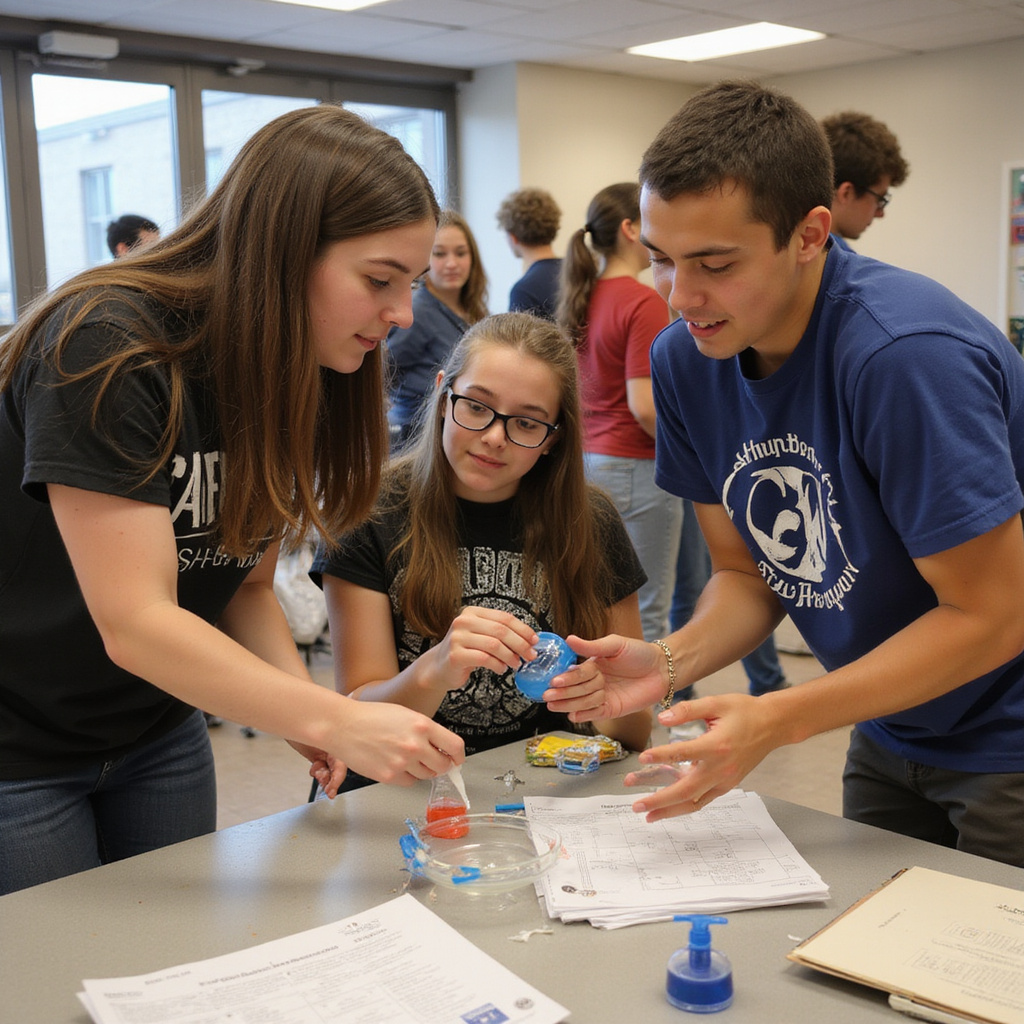
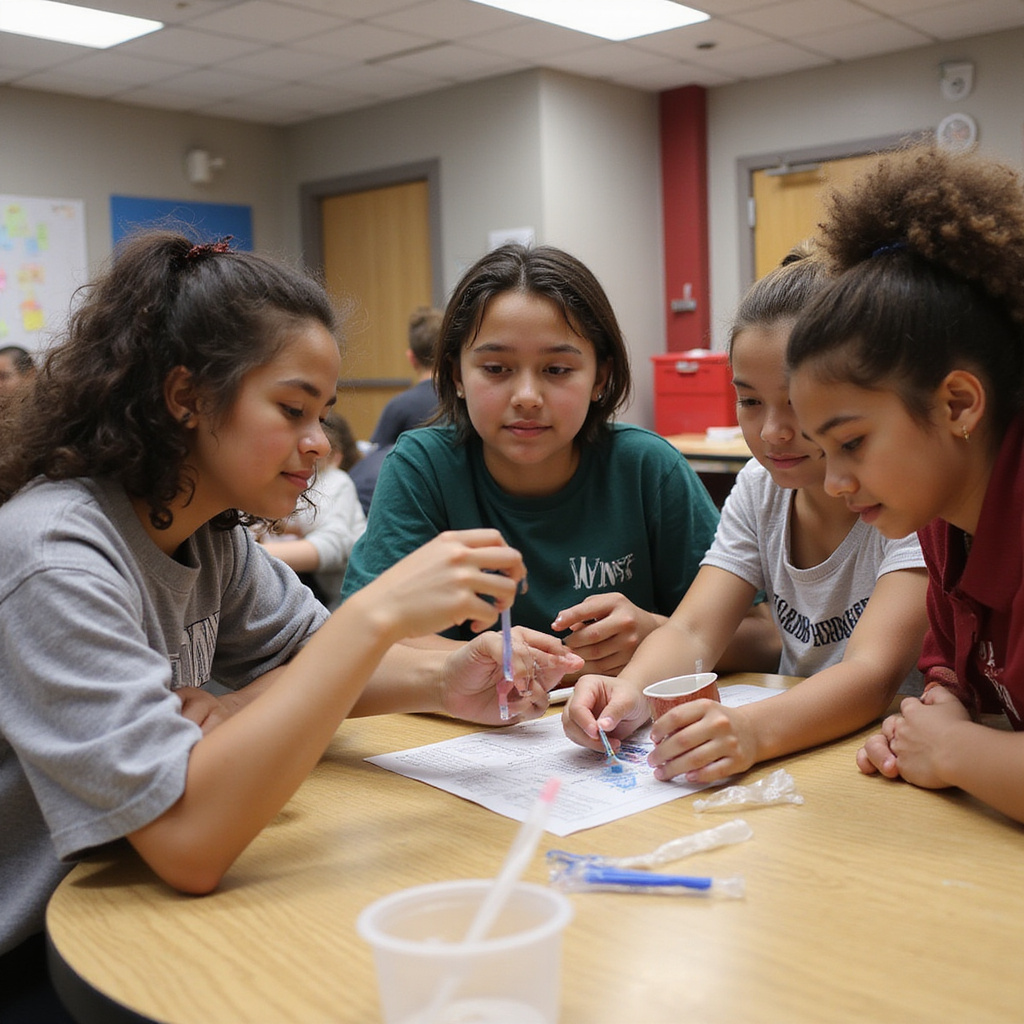
STEM summer programs for high school students give teens a focused way to build real skills when school is out. Instead of losing momentum over summer break, students explore science, technology, engineering, and math through hands-on projects. These programs help students gain confidence, clarify career interests, and build experience that strengthens college and career readiness.
District leaders and program directors invest in summer STEM learning to extend opportunities beyond the classroom year. With support from AGC Education, schools can launch structured summer programs that combine curriculum, hands-on tools, and educator training. AGC Education helps design programs that fit district goals while delivering measurable learning outcomes.
STEM summer programs for high school students create immersive learning environments that go deeper than traditional classes. Students work on real world challenges, collaborate in teams, and learn how to apply concepts in practical settings. This builds problem solving skills, technical literacy, and communication.
Administrators value summer programs because they reduce learning loss and support equity. Students who lack access to enrichment during the school year gain exposure to advanced learning experiences. With planning support from AGC Education, districts can design programs that align with workforce pathways and college readiness goals.
Effective summer STEM programs include structured curriculum, hands on projects, skilled instructors, and clear outcomes. Programs should focus on real world challenges, design thinking, and iterative learning. Students learn to test ideas, improve designs, and present solutions.
Teacher preparation matters. Professional development helps instructors deliver engaging lessons in a condensed timeline. Schools benefit from program kits that include lesson plans, materials, and assessment tools. AGC Education provides turnkey program models that reduce setup time and support consistent delivery across sites.
Career exposure strengthens engagement. Guest speakers, project themes tied to industry, and college pathway discussions help students connect learning to future opportunities. This makes summer programs more relevant and motivating.
STEM summer programs for high school students increase engagement by offering choice, creativity, and hands-on learning. Students gain confidence through successful project completion and teamwork. These experiences strengthen resumes, college applications, and technical portfolios.
Schools benefit from improved participation and stronger pipeline development for advanced STEM courses. Students who attend summer programs are more likely to enroll in advanced math, engineering, and technology classes during the school year.
STEM Summer Programs for High School Students: How Districts Can Design Impactful Experiences
District leaders need STEM summer programs for high school students that drive measurable growth in mathematics, science, and engineering without overwhelming staff or budgets. Start by choosing one clear outcome per program, such as credit recovery, a research experience that builds lab techniques, or an engineering design track. Then center projects around mentorship with workshops, lab work, and presentations to faculty and staff.
Plan logistics early, including commuter and virtual options, tuition details, and available financial aid. Clear planning increases enrollment and ensures families understand expectations before applying.
Why STEM Summer Programs for High School Students Matter for Long-Term Outcomes
STEM summer programs for high school students do more than fill summer months. They build momentum that shows up in student confidence, academic readiness, and postsecondary planning. Students return prepared for higher level mathematics, physics, computing, chemistry, biology, and engineering coursework.
Participants practice research skills, lab techniques, and collaborative problem solving in real world learning environments. Programs that include clear schedules, housing options, and family communication see higher participation and stronger completion rates.
Students often complete original research projects, present posters, and document learning in portfolios they can reference in college applications. Districts benefit from stronger STEM pipelines without changing the core school year curriculum.
What Problems Do STEM Summer Programs for High School Students Solve
STEM summer programs address learning gaps that grow during academic breaks. They provide structured learning time, hands on engagement, and access to mentors who reinforce academic confidence.
Students who struggle during the school year gain practice in smaller group settings. Advanced students gain exposure to research level work that challenges them beyond standard coursework. These programs also support underrepresented students by providing access to labs, technology, and academic role models.
Research Backed Benefits of STEM Enrichment for College, Career, and Workforce Readiness
Well designed STEM summer programs increase persistence in advanced coursework and improve student confidence in technical subjects. Students develop communication, collaboration, and problem solving skills that transfer to college and career settings.
Participants gain exposure to career pathways in engineering, computing, healthcare, and applied sciences. These experiences help students clarify interests and build evidence for college and scholarship applications.
Key Design Principles for High Quality STEM Summer Programs in High School Settings
High quality STEM summer programs for high school students are built around clear outcomes, safe operations, and meaningful student experiences. Programs should define what students will build, present, and learn by the end of the session.
Districts benefit from offering flexible delivery models such as day programs, commuter options, residential partnerships, and virtual formats. Quality programs maintain strong supervision, transparent costs, and alignment with college readiness standards.
How to Align STEM Summer Programs With Your District Strategic Plan and Graduate Profile
Alignment starts by mapping program outcomes to district graduate competencies such as collaboration, research, communication, and career readiness. Projects should require teamwork, documentation, and presentation of results.
District leaders can track attendance, completion, and skill growth in mathematics and science to demonstrate impact. Partnering with institutions and researchers adds credibility and supports reporting to stakeholders.
Balancing Academic Rigor, Hands On Learning, and Student Choice in STEM Pathways
Strong programs balance challenge with engagement. A core curriculum builds foundational research and safety skills, while choice pathways allow students to explore robotics, biochemistry, cybersecurity, astrophysics, or computing.
Hands on learning should result in tangible outcomes such as prototypes, research posters, or demonstrations. Predictable schedules, mentoring, and feedback improve retention and program satisfaction.
Types of STEM Summer Programs for High School Students Districts Can Offer
Districts benefit from offering multiple program formats to meet diverse student needs. Options include project based academies, career connected internships, and short bridge programs for transition years.
A balanced portfolio increases access while maintaining measurable outcomes in mathematics, science, and college readiness. Clear safety standards, staffing plans, and transparent costs build family trust and improve participation.
Project Based STEM Academies Focused on Real World Problem Solving
These academies center learning around real challenges such as sustainability, engineering design, or community technology needs. Students collaborate to design solutions, test ideas, and present findings.
Project based learning strengthens problem solving skills and produces portfolio ready work that students can share with colleges and mentors.
Career Connected STEM Summer Internships, Mentorships, and CTE Experiences
Career connected programs place students in supervised roles with industry partners or research labs. Students gain exposure to workplace expectations, applied technical skills, and professional communication.
Mentorship strengthens career clarity and helps students build networks that support future opportunities.
Short Format STEM Camps, Bootcamps, and Bridge Programs for Transition Years
Short format programs provide accessible entry points for students transitioning between grade levels. Bootcamps build foundational skills in coding, design, and lab safety.
Bridge programs help students prepare for more advanced STEM coursework by reinforcing core concepts and study habits.
Integrating Makerspaces, 3D Printing, and Engineering Design Into STEM Summer Programs
Makerspace tracks turn curiosity into applied science and engineering skills. Students learn CAD basics, measurement, and safety before working in teams on design challenges.
Hands on building reduces behavior issues and increases engagement. Final showcases allow students to present work and build confidence. Programs that integrate makerspaces create visible outcomes that support enrollment growth and board level reporting.
How to Use 3D Printers and Laser Engravers to Power Authentic STEM Projects
3D printers and laser engravers support rapid prototyping and design iteration. Students move from concept to physical model while learning measurement, geometry, and design constraints.
Clear safety protocols, maintenance plans, and scheduling ensure consistent access across program formats.
Sample 3D Printing Project Ideas for High School STEM Summer Programs
Students can design assistive devices, environmental monitoring tools, or engineering prototypes. Projects should require documentation, testing, and presentation of results.
These projects reinforce problem solving, data collection, and communication skills while producing portfolio artifacts for college applications.
Designing Makerspace Challenges That Build Engineering Mindsets Over the Summer
Effective challenges emphasize iteration, testing, and reflection. Students learn to analyze failures and improve designs based on evidence.
Structured feedback cycles and mentorship build resilience and reinforce engineering habits of mind.
Building STEM Summer Programs That Advance Equity and Access for High School Students
Equity begins with program design. Districts should define eligibility, transportation options, and financial support early. Programs that offer commuter, residential, and virtual options increase participation.
Clear communication with families, scholarships, and published costs remove barriers. Mentorship and visible outcomes support underrepresented students and build long term confidence.
Strategies to Recruit and Retain Underrepresented Students in STEM Pathways
Targeted outreach through counselors, community partners, and family information sessions improves recruitment.
Retention improves when programs provide mentoring, culturally responsive teaching, and visible role models in STEM fields.
Removing Barriers: Transportation, Scheduling, and Family Communication in STEM Summer Programs
Transportation access, predictable schedules, and multilingual communication reduce participation gaps.
Clear registration processes and early timelines help families plan and commit.
Curriculum and Project Ideas for STEM Summer Programs for High School Students
Strong curricula promise polished products, practical research skills, and college ready artifacts. Programs benefit from diagnostic assessments followed by team based projects and final showcases.
Clear rubrics, repeatable supply kits, and mentorship ensure consistency across sessions and sites.
Real World STEM Challenges Tied to Local Issues and Student Interests
Local challenges increase relevance and motivation. Projects can address environmental monitoring, urban design, or community health needs.
Connecting projects to real stakeholders improves engagement and accountability.
Cross Curricular STEM Projects That Integrate Art, Design, and CTE Skills
Integrating art and CTE expands access and creativity. Students apply design thinking, technical skills, and communication strategies to interdisciplinary projects.
These experiences mirror real workplace collaboration and broaden student participation.
Staffing, Training, and Professional Development for STEM Summer Program Success
Effective staffing includes a lead instructor, lab support, and a project coach. Clear roles protect instructional time and safety.
Training should focus on lab routines, classroom management, and mentoring strategies. Clear supervision ratios and communication protocols reduce operational risk.
How to Select and Support Teachers for High Impact STEM Summer Programs
Select educators with content knowledge and facilitation skills. Provide short, practical training tied to curriculum and schedules.
Ongoing coaching and peer support improve consistency and confidence.
Using Educator Designed Professional Development and Coaching to Build STEM Capacity
Professional development aligned to actual program workflows improves implementation.
Coaching helps educators adapt instruction to mixed readiness levels while maintaining high expectations.
Technology, Equipment, and Materials Planning for STEM Summer Programs
Technology planning should match program format and outcomes. Districts must confirm device availability, approved software, and network reliability.
Policies for storage, supervision, and content filtering reduce risk. Backward planning from outcomes ensures equipment supports learning goals.
Essential Equipment Checklist for STEM Summer Programs for High School Students
Programs should inventory devices, lab tools, safety equipment, and consumables.
Clear tracking and maintenance plans prevent disruptions during projects.
Poster Printers, 3D Printers, and Makerspace Tools That Maximize Student Engagement
Poster printers support final showcases. 3D printers and makerspace tools enable prototyping and design iteration.
Equitable access and scheduling ensure all students benefit from hands on resources.
Budgeting for Consumables, Maintenance, and Sustainable STEM Program Growth
Sustainable programs budget for replacement parts, materials, and equipment upkeep.
Transparent budgeting builds trust with stakeholders and supports long term planning.
Measuring Impact: How to Evaluate STEM Summer Programs for High School Students
Evaluation should define success before programs begin. Track student growth, program quality, and post program outcomes.
Metrics include skill gains, attendance, completion, and college readiness indicators. One page summaries with data and student work build trust and support renewal decisions.
Key Metrics and Data Sources to Track STEM Summer Program Effectiveness
Track pre and post assessments, attendance, and final project quality.
Collect feedback from students and families to guide improvements.
Using Student Voice, Portfolios, and Artifacts From STEM Projects as Evidence
Student reflections and portfolios provide qualitative evidence of growth.
Artifacts demonstrate applied learning and support reporting to boards and funders.
Implementation Roadmap: How Districts Can Launch or Scale STEM Summer Programs
Districts should define program models, outcomes, staffing, and logistics early. Clear timelines reduce risk and improve coordination.
Publishing dates, application deadlines, and financial aid options supports enrollment planning.
Planning Timeline and Milestones for STEM Summer Programs for High School Students
Set milestones for curriculum finalization, staffing, equipment procurement, and family communication.
Early planning prevents last minute disruptions and improves program quality.
Funding Sources, Grants, and Partnerships That Support STEM Summer Initiatives
Districts can combine grants, partnerships, and internal funding to expand access.
Clear reporting supports continued investment and community trust.
How AGC Education Supports District Led STEM Summer Programs for High School Students
District led programs succeed when supported by experienced partners. AGC Education aligns curriculum, technology, and training to district goals.
Educators receive practical guidance in pacing, troubleshooting, and supporting mixed skill levels. Students leave with portfolio ready work aligned to college readiness goals.
End to End Support: From STEM Program Design to Technology Implementation
Support includes planning, device configuration, curriculum alignment, and educator training.
Early engagement improves availability and reduces implementation risk.
How EmpowR Academy and Success Teams Help Educators Run Confident STEM Summer Programs
EmpowR Academy provides practical training, clear routines, and responsive support.
Teams assist with technology, curriculum delivery, and classroom management.
Next Steps: Collaborating With AGC Education to Design Your STEM Summer Program
Collaboration begins by defining outcomes, student populations, and delivery models.
Programs are mapped to district priorities, staffing capacity, and logistics to ensure smooth implementation.
Questions to Bring to Your First STEM Summer Planning Conversation
Prepare questions about outcomes, staffing, technology, schedules, and support models.
Clear expectations at the start lead to stronger partnerships and better student outcomes.
washington university simr brown university stanford university high school stem summer programs telluride association summer program california state summer school for mathematics and science high school stem summer programs stanford university mathematics camp summer science program michigan state university high school stem summer programs mites summer science program cty simr princeton university center for talented youth carnegie mellon university georgetown university brown university high school summer stem programs brown university brown university carnegie mellon university mites mites rsi high school stem summer programs sumac summer science program mites university of illinois urbana-champaign high school stem summer programs high school stem summer programs sumac