




School 3D Printer

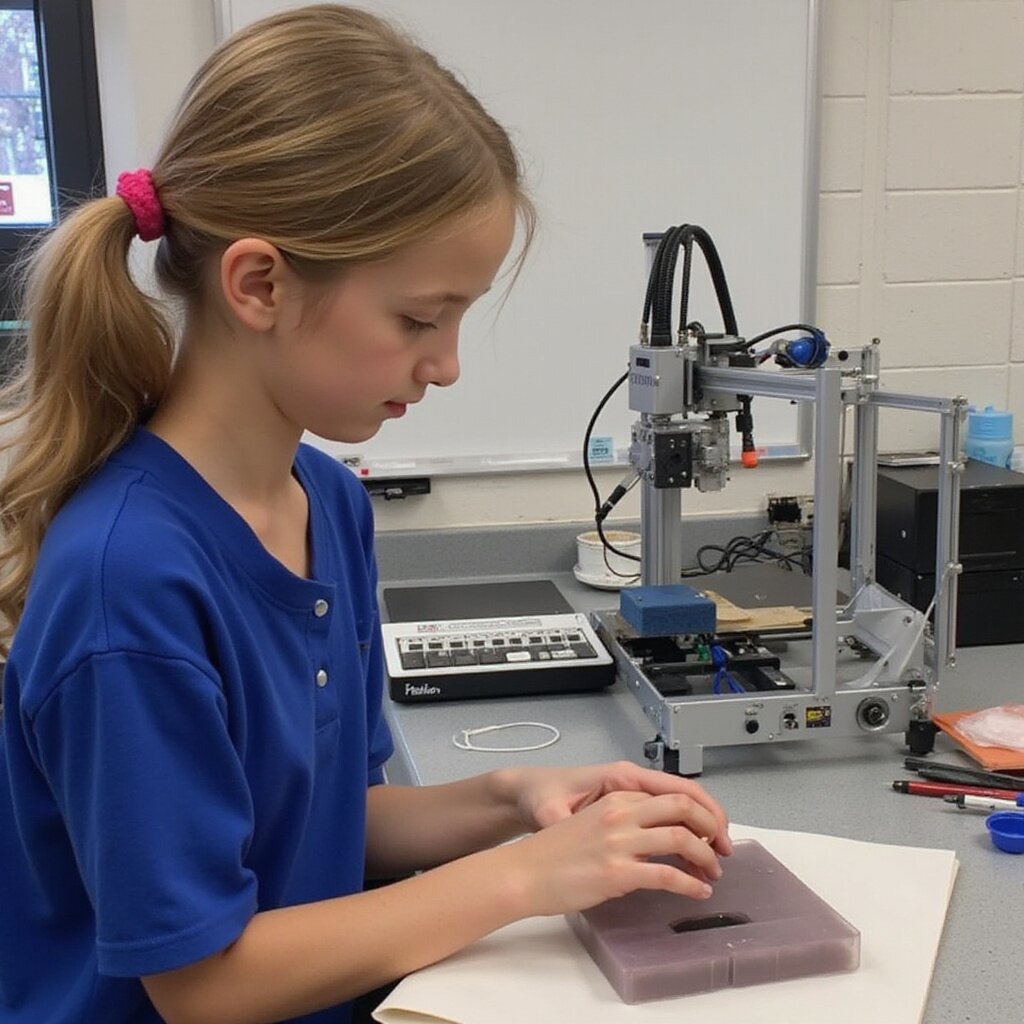
A school 3D printer is more than a piece of technology. It is a practical tool that transforms instruction, increases student engagement, and supports career readiness across grade levels. For district leaders and educators, the priority is not simply buying equipment. It is choosing a reliable, classroom ready solution that integrates into curriculum without creating new burdens for teachers or IT staff.
AGC Education provides turnkey 3D printing solutions designed specifically for K to 12 environments. We help schools implement hardware, supplies, and professional development in a way that supports measurable outcomes and long term success.
Why a School 3D Printer Matters
Strengthening STEM and CTE Pathways
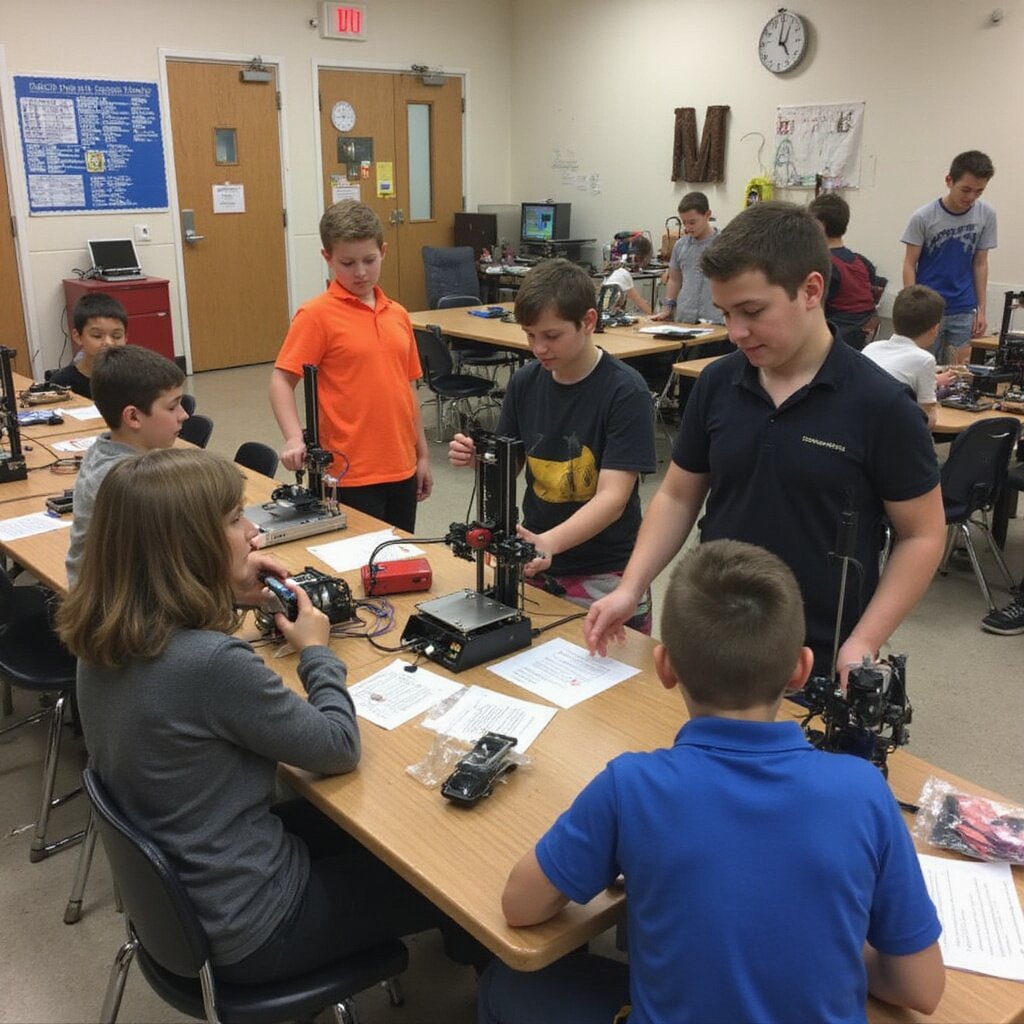
A school 3D printer allows students to design, prototype, and iterate. Engineering, robotics, computer science, and manufacturing programs become hands on rather than theoretical. Students gain practical skills aligned with industry standards, helping districts meet workforce readiness goals.
Supporting Cross Curricular Learning
3D printing enhances more than STEM labs. Art students create original sculptures and product designs. History classes reproduce artifacts. Math teachers use printed models to demonstrate geometry concepts. A single school 3D printer can serve multiple departments, increasing instructional value and maximizing investment.
Encouraging Problem Solving and Innovation
When students move from idea to physical model, they develop critical thinking and collaboration skills. They learn to test, refine, and improve their designs. These competencies prepare learners for both higher education and modern careers.
What to Look for in a School 3D Printer
Classroom Safety
Enclosed systems, consistent temperature control, and user friendly software are essential in school settings. Safety features protect students while giving teachers confidence in daily use.
Reliability and Ease of Use
Schools operate on structured schedules. Equipment must be dependable, easy to maintain, and simple for educators to operate. Downtime reduces learning opportunities. Durable machines with streamlined workflows protect instructional time.
Implementation and Professional Development
Successful integration requires more than hardware. Teachers and technology coordinators need onboarding support, curriculum alignment, and technical assistance. AGC Education offers structured training and ongoing guidance to ensure confident adoption across departments.
AGC Education Turnkey Support
Selecting the right school 3D printer involves evaluating grade levels, curriculum goals, facility requirements, and budget. AGC Education partners with superintendents, curriculum directors, IT leaders, and procurement managers to design solutions that fit district priorities.
Our process includes consultation, equipment selection, implementation planning, supply management, and professional development. We focus on reducing barriers so educators can concentrate on instruction rather than troubleshooting.
By choosing AGC Education, schools receive expert guidance grounded in educational best practices. Our team understands compliance standards, classroom realities, and long term sustainability.
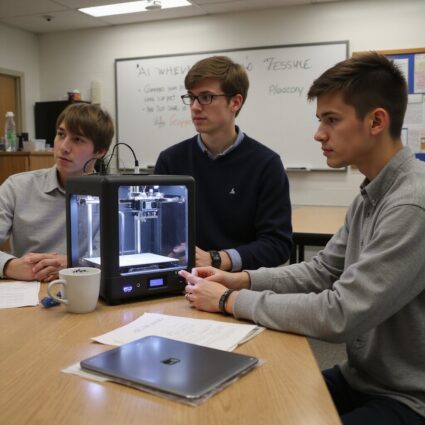
Building Future Ready Classrooms
A school 3D printer equips students with design thinking, technical literacy, and collaboration skills that align with modern workforce demands. When implemented strategically, 3D printing becomes a foundational tool for innovation, creativity, and academic achievement.
AGC Education helps districts move from interest to successful implementation with confidence and clarity.
Frequently Asked Questions
Yes. Many education focused models are designed with safety features and simplified interfaces suitable for younger learners with supervision.
With structured professional development and support, most educators can integrate 3D printing into instruction effectively.
PLA filament is widely used because it is reliable and well suited for classroom environments.
Yes. Many schools centralize equipment in makerspaces or STEM labs and schedule shared access.
Success is measured through increased student engagement, expanded STEM participation, improved project quality, and alignment with workforce readiness standards.