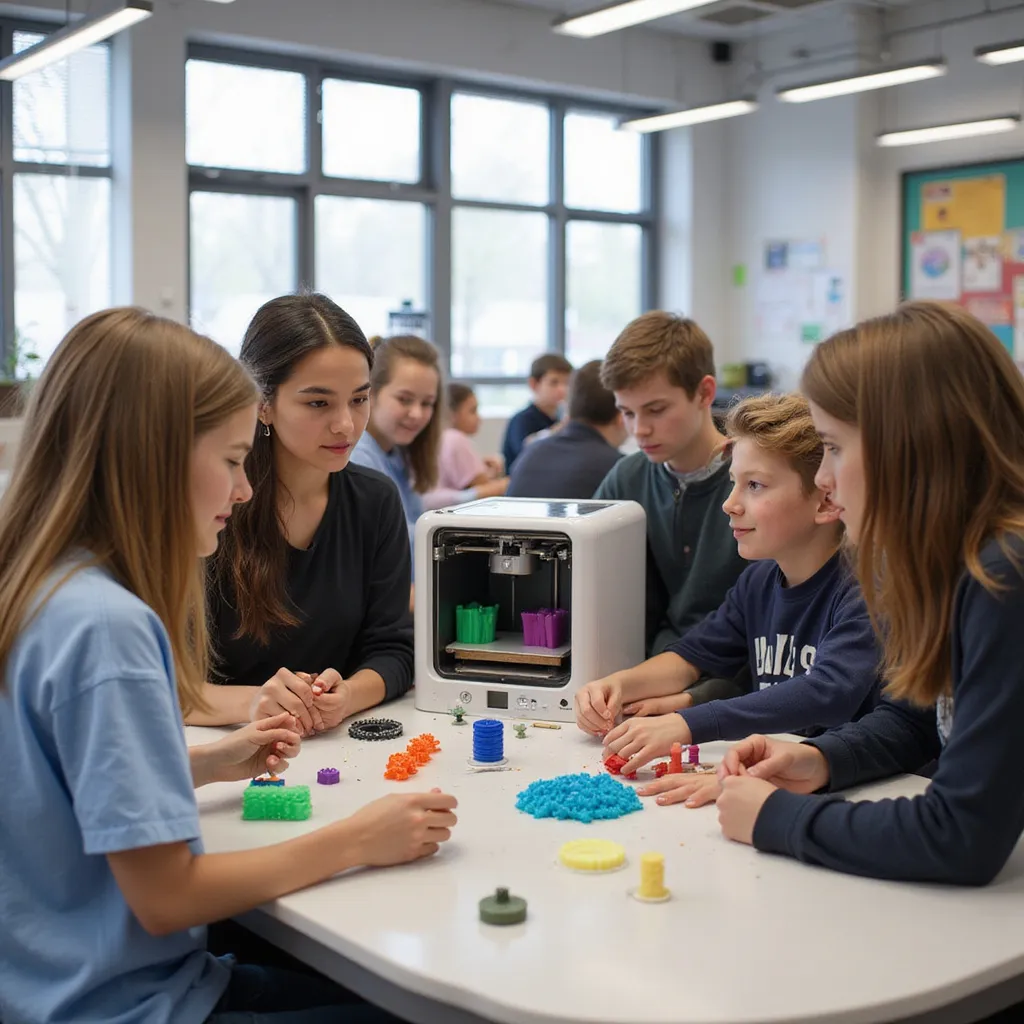
3D printers for classrooms turn passive lessons into active learning experiences. Instead of only watching or reading, students design, build, test, and refine real objects. This hands-on approach strengthens critical thinking, creativity, and technical skills across STEM, art, design, and career pathways.
School leaders adopt classroom 3D printing to modernize instruction, increase student engagement, and connect learning to real world skills. With solutions from AGC Education, schools gain access to classroom ready hardware, curriculum resources, and educator support designed specifically for K to 12 environments. AGC Education helps districts implement 3D printing programs that align with instructional goals and long term technology plans.
Why Classrooms Benefit from 3D Printers
3D printers for classrooms support project based learning across subjects. Science students create models of cells, ecosystems, and lab tools. Math students explore geometry and measurement through physical models. Art and design students prototype functional and creative projects. Engineering and robotics teams iterate on parts and test solutions.
Teachers see higher participation and deeper understanding when students build what they design. Administrators value outcomes tied to engagement, collaboration, and workforce readiness. By partnering with AGC Education, schools receive guidance on classroom implementation, professional development, and best practices that ensure technology adoption leads to measurable learning outcomes.
What to Look for in 3D Printers for Classroom Use
Not every printer works well in a school setting. Classroom ready 3D printers focus on safety, reliability, and ease of use. Look for enclosed designs, automatic calibration, simple filament loading, and quiet operation to fit daily classroom routines.
Support and training accelerate success. The best education providers offer onboarding, lesson plans, and professional development so teachers can launch quickly. Centralized management tools help IT teams manage multiple printers across classrooms with minimal overhead. With AGC Education, districts gain a turnkey approach that includes planning, deployment, training, and ongoing support for long term success.
Scalability protects your investment. Choose platforms that grow from one classroom to many with shared student libraries, user controls, and fleet monitoring. This makes district wide adoption smooth and cost effective.
How 3D Printing Improves Classroom Outcomes
3D printers for classrooms increase engagement because students see their ideas become real. This boosts motivation and ownership of learning. Students practice design thinking, iteration, and collaboration. These skills build confidence and mirror real world problem solving.
Hands on learning also supports diverse learners. Visual and kinesthetic students benefit from building models. Students who struggle with lectures often thrive with project based instruction, improving equity in STEM participation.
Frequently Asked Questions
Are 3D printers for classrooms safe?
Yes. Education focused models include enclosed designs, safety locks, and low emission materials designed for supervised classroom environments.
What grade levels can use classroom 3D printers?
Elementary students use simplified design tools. Middle and high school students learn CAD, engineering workflows, and prototyping skills.
How much time does setup take for teachers?
With classroom ready systems and training, teachers can launch projects within days. Providers that include onboarding reduce setup friction.
What ongoing costs should schools expect?
Most classrooms budget for PLA filament refills and basic maintenance parts. Costs are predictable and easy to plan for.
Can schools manage multiple classroom printers easily?
Yes. Modern education platforms offer centralized dashboards to manage users, queues, and printer status across classrooms.
Next Steps for Schools
If you want to increase engagement, improve learning outcomes, and prepare students for future careers, 3D printers for classrooms are a smart, proven investment. Partnering with AGC Education ensures your district receives classroom proven technology, educator training, and ongoing support to drive successful adoption and long term results.
3D Printers for Classrooms: How to Choose, Implement, and Scale STEM Ready 3D Printing in K12 Schools
Buying 3D printers for classrooms is not the hard part. The challenge is choosing classroom 3D printers teachers actually use, then scaling from one pilot to multiple classrooms without overwhelming IT teams. The right education 3D printers combine reliable enclosed hardware, student friendly software, and safe classroom setup. This guide explains how to compare classroom 3D printers, materials like PLA and ABS, safety features, and support so schools can implement 3D printing with confidence.
Why 3D Printers for Classrooms Are Becoming Essential for K12 STEM and CTE Programs
3D printers for classrooms have moved past novelty. Districts now use classroom 3D printers to support real STEM and CTE goals like design thinking, prototyping, measurement, iteration, and problem solving. When students print physical objects, learning becomes visible and measurable. This helps schools justify investment and expand hands on learning across grade levels.
What Do 3D Printers for Classrooms Actually Do for Student Learning Outcomes
3D printing improves student learning outcomes by turning abstract ideas into real objects students can test and refine. Learners gain hands on experience with measurement, modeling, and iteration. These activities build technical confidence, persistence, and problem solving skills that support project based learning and real world application across subjects.
Linking Classroom 3D Printing to STEM, CTE, and Project Based Learning Standards
Classroom 3D printing aligns well with STEM, CTE, and project based learning standards because students must design, test, revise, and present solutions. These activities build applied math, engineering thinking, and communication skills. When students document iterations, teachers can assess both the process and the final product.
How 3D Printers Support UDL, Differentiation, and Inclusive Classroom Instruction
3D printers support Universal Design for Learning by giving students multiple ways to show understanding. Learners who struggle with writing can demonstrate mastery through physical prototypes. Differentiated projects allow students to work at different levels while still meeting shared learning goals and standards.
Key Benefits of 3D Printing in Education for Superintendents, Curriculum Leaders, and IT Teams
District leaders benefit from predictable outcomes, safer enclosed printers, and manageable software platforms. Modern education 3D printers reduce disruptions with quiet operation and simplified workflows. IT teams gain visibility through cloud tools, while curriculum leaders gain scalable resources that support STEM, arts integration, and CTE pathways.
From Makerspace Novelty to District Wide Strategy: Building Sustainable 3D Printing Programs
To move beyond isolated makerspaces, districts need consistent models, training, and curriculum alignment. Standardized devices simplify IT support and spare parts management. A shared implementation plan helps teachers integrate 3D printing into everyday lessons instead of treating it as an occasional activity.
How to Choose the Right 3D Printers for Classrooms: Features, Safety, and IT Requirements
Choosing 3D printers for classrooms requires more than comparing specifications. Schools need reliable devices that work within short class periods and limited prep time. The best classroom 3D printers combine safety features, easy calibration, and strong software support so teachers can focus on learning instead of troubleshooting equipment.
Essential Features Every K12 Classroom 3D Printer Should Have
A classroom ready printer should offer enclosed builds, quiet operation, guided calibration, and reliable print quality. Simple loading and clear interfaces reduce setup time. These features help teachers integrate printing into lessons without losing instructional time or relying on specialized technical skills.
Print Quality, Build Volume, and Reliability Considerations for School Environments
Print quality must be consistent so student projects succeed on the first attempt. Build volume should support common classroom projects without wasting material. Reliable hardware minimizes downtime, which is critical when multiple classes depend on the same printer for hands-on learning activities.
Safety, Filtration, and Classroom Ready Enclosures for 3D Printers
Fully enclosed printers protect students from hot components and reduce distractions. Filtration systems help manage odors and particulates, creating a safer learning environment. These safety features are important for administrators and parents who expect equipment to meet classroom standards.
IT, Networking, and Data Security Considerations for 3D Printers in Schools
Networked printers must align with school security policies. Cloud workflows should support user permissions and approvals. Compatibility with Chromebooks and district networks simplifies deployment and reduces friction during classroom use and long term scaling.
Cloud Management, User Access, and Device Monitoring for Fleets of 3D Printers
Cloud platforms allow IT teams to monitor printer status, manage queues, and control access. Centralized management reduces downtime and ensures consistent settings across classrooms. This approach supports scaling programs while maintaining security and accountability.
Implementing 3D Printers for Classrooms: Training, Curriculum Integration, and Support
Implementation determines whether 3D printers succeed or sit unused. Schools need clear routines, training, and support so teachers feel confident using printers regularly. A strong rollout connects curriculum, professional development, and maintenance planning into one repeatable process.
How to Onboard Teachers and Students to 3D Printing with Minimal Frustration
Teachers onboard faster with simple workflows for submitting files, reviewing designs, printing, and cleaning up. Standard profiles and checklists prevent common mistakes. Students benefit from clear safety rules and routines that build responsibility and confidence around equipment use.
Professional Development, Certification, and Ongoing Coaching for 3D Printing in Education
Ongoing training helps teachers move beyond basic printing into curriculum integration. Coaching and certification programs build internal expertise and reduce dependence on outside support. This approach strengthens long term adoption and instructional quality.
Starter Projects and Cross Curricular Lesson Ideas for Classroom 3D Printers
Starter projects introduce basic design and printing skills while connecting to math, science, and art. Cross curricular lessons help teachers integrate printing into existing units. Early success builds momentum and confidence for broader classroom adoption.
Building a Support Ecosystem: Supplies, Maintenance, and Implementation Teams
A support ecosystem includes clear maintenance plans, supply management, and defined roles for troubleshooting. When schools plan for consumables and repairs, printers stay operational and teachers avoid interruptions during instruction.
Planning for Consumables, Replacement Parts, and Budgeting for 3D Printing Supplies
Schools should budget for filament, nozzles, build plates, and cleaning tools. Planning ahead prevents downtime and surprise costs. Clear inventory processes help maintain consistent access to supplies across classrooms and labs.
Evaluating Vendors and Planning Your 3D Printers for Classrooms Rollout Roadmap
Vendor selection shapes long term success. The right partner offers training, curriculum resources, and responsive support. Schools should compare total program value, not just hardware cost, when planning district wide adoption.
Questions to Ask Before You Buy 3D Printers for Classrooms from Any Vendor
Ask about safety features, software compatibility, training options, and ongoing support. Clarify what comes included in starter kits and what requires additional purchase. These questions help avoid hidden costs and implementation delays.
Assessing Training, Implementation Support, and Educator Focused Resources
Strong vendors provide educator guides, lesson plans, and onboarding tools. Implementation support reduces setup time and builds teacher confidence. These resources help schools achieve consistent outcomes across classrooms.
How to Compare Warranties, Service Agreements, and Response Times for School 3D Printers
Compare warranty terms, service coverage, and response times. Fast support prevents extended downtime. Clear agreements help administrators plan maintenance budgets and protect long term investments.
Creating a Phased Roadmap to Scale 3D Printers Across Classrooms, Labs, and Makerspaces
A phased roadmap allows schools to pilot, measure results, and expand responsibly. Data from early classrooms informs purchasing decisions and training plans. This approach reduces risk and supports sustainable growth.
Pilot, Measure, and Expand: Using Data and Case Studies to Guide 3D Printing Investments
Collect data on usage, learning outcomes, and maintenance needs during pilots. Case studies help justify expansion and guide budget planning. Evidence based decisions ensure investments align with instructional goals and district priorities.
3d printers 3d printer prusa 3d education printers 3d printing neptune makerbot ultimaker sla 3d printing 3d education printers 3d classroom printers 3d educational printers 3d classroom printers 3d educational printers 3d printer classroom sla dremel 3d classroom printers 3d classroom printers prusa 3d classroom printers 3d printers 3d education printers 3d classroom printers fdm 3d printing 3d printer classroom 3d educational printers 3d printers creality 3d educational printers 3d classroom printers 3d printer 3d scanners 3d education printers 3d printer 3d classroom printers ultimaker airwolf 3d 3d scanners formlabs 3d educational printers 3d printers 3d printing airwolf 3d 3d educational printers 3d printers 3d printing airwolf 3d prusa prusa 3d models 3d printing ultimaker classroom 3d educational printers airwolf 3d creality formlabs 3d printers 3d education printers 3d education printers 3d printers creality prusa 3d printers lulzbot 3d classroom printers 3d printer classroom 3d classroom printers makerbot 3d classroom printers 3d printer classroom 3d printer makerbot makerbot 3d printing makerbot 3d printer airwolf 3d dremel 3d printing 3d classroom printers 3d classroom printers 3d educational printers 3d education printers 3d educational printers 3d printing 3d classroom printers airwolf 3d 3d educational printers creality neptune 3d printers 3d printer classroom dremel 3d printing 3d printing 3d printer classroom 3d printers 3d education printers lulzbot 3d printers 3d education printers 3d printing 3d classroom printers classroom 3d classroom printers 3d educational printers 3d educational printers 3d educational printers 3d printers airwolf 3d 3d printer classroom 3d education printers creality classroom fdm 3d classroom printers 3d printers 3d classroom printers 3d education printers creality 3d printer classroom 3d educational printers 3d classroom printers 3d education printers sla 3d printers 3d educational printers 3d classroom printers 3d scanners 3d education printers 3d classroom printers 3d printers 3d printer creality 3d classroom printers makerbot lulzbot 3d classroom printers fdm 3d printing 3d printing fdm 3d education printers fdm prusa 3d printer classroom 3d classroom printers 3d printers 3d printing 3d scanners 3d printers 3d printers 3d classroom printers ultimaker 3d classroom printers classroom 3d classroom printers formlabs 3d printing 3d educational printers 3d education printers 3d printing 3d classroom printers 3d printer 3d classroom printers 3d printing 3d educational printers prusa classroom 3d printers 3d printers 3d printers 3d printing 3d printing 3d printers 3d educational printers 3d printers 3d classroom printers 3d printers fdm 3d printer 3d education printers lulzbot 3d printers 3d classroom printers lulzbot fdm 3d printers classroom 3d educational printers 3d printer classroom bambu lab 3d education printers classroom 3d classroom printers 3d educational printers 3d educational printers 3d education printers 3d classroom printers dremel makerbot 3d printer