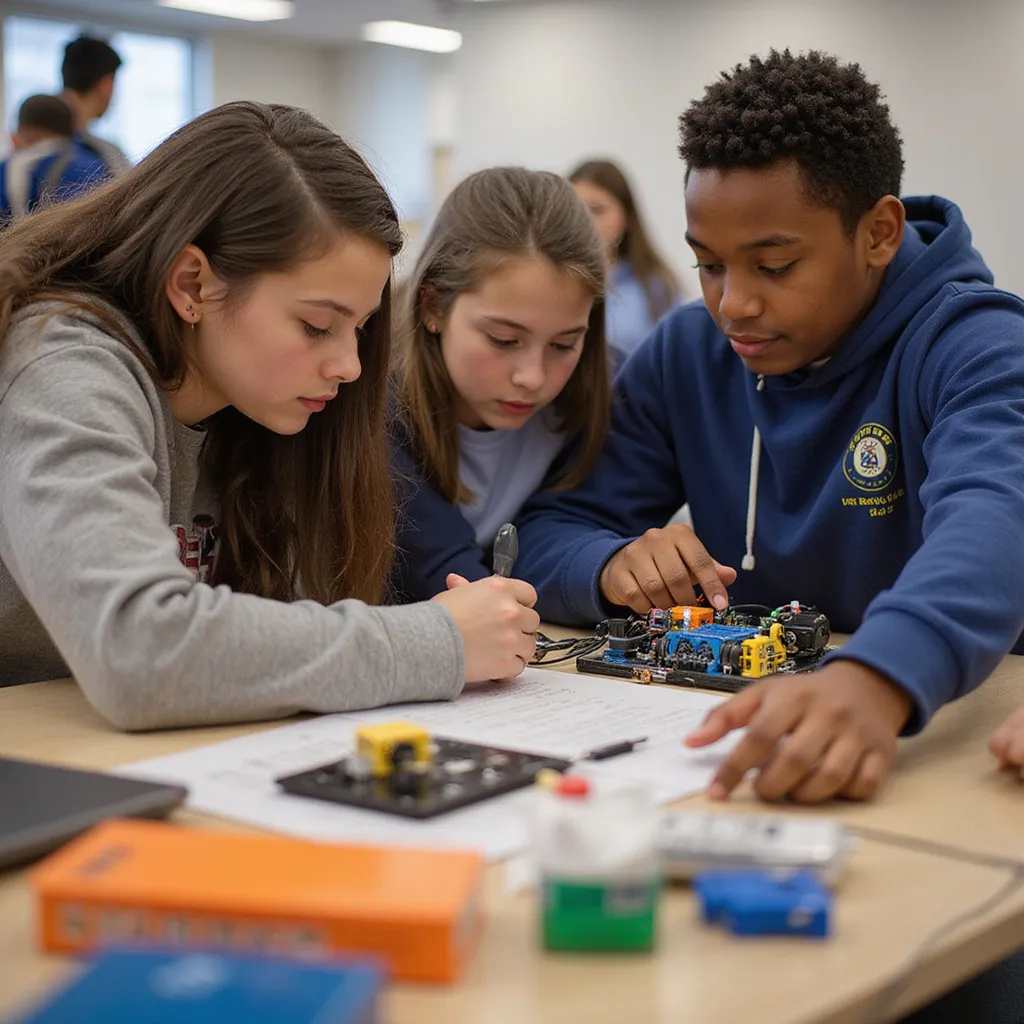
STEM programs for high school students help teens move from passive learning to real problem solving. Instead of only memorizing concepts, students apply science, technology, engineering, and math through hands-on projects. Strong STEM programs improve critical thinking, collaboration, and confidence while preparing students for college pathways and in demand careers.
School leaders adopt STEM programs to improve engagement, close opportunity gaps, and build career readiness. With support from AGC Education, schools gain structured STEM programs that align with curriculum standards, workforce needs, and long term district goals. AGC Education helps administrators design programs that are practical to run, easy to scale, and measurable in student outcomes.
STEM programs for high school students prepare learners for fast growing industries like engineering, healthcare, manufacturing, data science, and technology. Students develop problem solving skills, technical literacy, and teamwork that employers expect. These programs also strengthen college readiness by reinforcing applied math, design thinking, and scientific reasoning.
Administrators see higher engagement when learning becomes project based. Attendance improves when students feel challenged and supported. Procurement teams value solutions that include curriculum, training, and equipment that can be used across multiple departments. With AGC Education, districts receive planning support that ensures programs launch smoothly and align with instructional goals.
Effective STEM programs combine curriculum, hands-on tools, teacher training, and assessment. Programs should include real world challenges, structured projects, and opportunities for students to test ideas and improve designs. This approach builds persistence and resilience through iteration.
Teacher support is critical. Professional development helps educators integrate STEM into existing courses without disrupting pacing. IT and curriculum teams benefit from platforms that offer classroom management tools, shared student resources, and reporting.
STEM programs for high school students increase engagement because learners see real outcomes from their work. Students build confidence by solving practical problems and presenting solutions. This strengthens communication skills, creativity, and leadership.
Career exposure improves motivation. Students who explore engineering, robotics, or design pathways are more likely to pursue related college majors or technical certifications. Schools benefit from stronger program participation and improved academic relevance.
Launching effective STEM programs for high school students requires planning, training, and the right instructional tools. Schools that partner with AGC Education gain access to structured STEM programs, educator support, and scalable implementation models. This approach helps districts deliver measurable results, improve engagement, and prepare students for real world success.
STEM Programs for High School Students: How to Build Future Ready Learning With the Right Tools
STEM programs for high school students work best when they fit real classrooms, schedules, and measurable outcomes. District leaders want pathways that strengthen STEM learning, support college admissions, and stand up to families and school boards. Define what future ready means for your schools, from robotics and cybersecurity to engineering, physics labs, and AI research. The strongest programs connect hands-on learning to real skills students can demonstrate.
What Are STEM Programs for High School Students and Why They Matter Now
STEM programs for high school students go beyond standard coursework by offering structured experiences such as summer programs, after school courses, dual enrollment, internships, and research partnerships. Strong programs blend hands-on learning with tools like robotics, coding, physics labs, engineering design, cybersecurity, AI projects, and research methods so students build advanced skills they can show through real work.
These programs matter because districts must demonstrate outcomes tied to college admissions, career readiness, and workforce preparation. Families want flexible options, affordable access, and virtual or hybrid learning models. Admissions officers value authentic research, mentorship, and original projects. Well designed STEM programs create a repeatable pipeline from enrollment to capstone presentations.
Key Outcomes Strong STEM Programs for High School Students Should Deliver
High quality STEM programs should deliver measurable academic growth, improved engagement, and clear postsecondary pathways. Students should gain technical skills, project management experience, and communication ability through hands on projects. Programs should also increase enrollment in advanced STEM coursework, strengthen college applications, and provide exposure to internships, certifications, and research experiences that prepare students for future study and careers.
Types of STEM Programs for High School Students: Pathways, Academies, and Makerspaces
The strongest STEM programs for high school students combine project based pathways, focused academies, and hands on makerspaces that support daily instruction. Pathways connect STEM courses to career exploration, internships, and capstone projects. Academies provide cohort based learning with guest lectures and mentorship. Makerspaces allow students to build, test, and present work in robotics, coding, engineering design, and research science.
Project Based STEM Pathways That Connect Coursework to Real World Careers
Project based pathways work when students clearly understand how coursework connects to real careers. In strong STEM programs, learning aligns with real roles in software development, cybersecurity, aerospace engineering, life sciences, and information technology. Students progress from foundational coursework to advanced electives, collaborative projects, and capstones that mirror industry expectations and strengthen college and career readiness.
Makerspaces and Innovation Labs as the Hands On Engine of STEM Programs
Makerspaces provide the physical environment where STEM learning becomes real. Students use tools, materials, and technology to prototype ideas, test designs, and refine solutions. When aligned with curriculum goals, makerspaces support engineering challenges, coding projects, robotics builds, and research experiments. Well planned labs also support collaboration, documentation, and presentation skills that prepare students for higher education.
Aligning Makerspace Design With Curriculum and Standards
Effective makerspaces are designed around curriculum goals and learning standards. Equipment, safety protocols, and workflows should match course outcomes in science, math, and technology. Teachers need clear lesson plans and assessment tools to integrate makerspace projects into daily instruction. When labs align with standards, districts can demonstrate academic rigor while offering engaging hands on learning experiences.
Essential Components of High Impact STEM Programs for High School Students
High impact STEM programs focus on outcomes rather than busywork. Programs should deliver measurable gains in engagement, technical skill development, and postsecondary readiness. Strong models combine focused curriculum, hands on learning, and assessment frameworks that show growth. Equipment should come with teacher ready lessons, pacing guides, and implementation support to ensure tools are used effectively.
Curriculum, Assessment, and Cross Curricular Integration in STEM Education
Strong STEM curriculum integrates science, math, technology, and engineering with real world applications. Assessment should include rubrics for labs, design challenges, coding projects, and research presentations. Cross curricular integration allows students to apply literacy, data analysis, and communication skills while completing STEM projects, strengthening academic performance and college readiness.
Industry Partnerships, Certifications, and Work Based Learning Experiences
Industry partnerships strengthen STEM programs by connecting students to real career pathways. Certifications, internships, and mentorships provide practical experience and professional exposure. Work based learning helps students apply classroom skills in real settings, improving motivation and career clarity. Partnerships also support curriculum relevance and provide insights into workforce needs.
STEM Lab Equipment and Technology That Power Modern High School Programs
Modern STEM labs support robotics, physics, engineering, coding, and research with tools students can use for projects and capstones. The right technology reduces teacher workload by standardizing workflows and materials. Visible student work such as prototypes and data posters strengthens buy in from families and administrators. Labs should include safety planning, IT readiness, training, and maintenance to ensure long term use.
3D Printers, Laser Engravers, and Fabrication Tools for STEM Classrooms
Fabrication tools allow students to turn ideas into physical prototypes. 3D printers and laser engravers support engineering design, product development, and creative problem solving. When paired with structured projects, these tools teach iteration, measurement, and testing. Reliable equipment and clear safety protocols ensure students can use fabrication tools confidently across multiple courses.
Choosing 3D Printers and Materials That Match Student Skill Levels and Safety Needs
Selecting 3D printers requires balancing ease of use, reliability, and safety. Enclosed printers with simple software reduce classroom risk. Materials should be appropriate for student projects and classroom ventilation. Clear maintenance plans and training help teachers manage equipment. Matching tools to student skill levels ensures successful projects and consistent learning outcomes.
Integrating 3D Printing Projects Into STEM Pathways and CTE Courses
3D printing projects strengthen STEM pathways by connecting design concepts to real applications. Students can prototype engineering solutions, model scientific concepts, and support CTE coursework. Structured projects build technical skills, teamwork, and documentation abilities. When aligned with pathways, 3D printing enhances portfolios and supports college and career readiness goals.
Poster Printers, Large Format Printing, and Visual Communication in STEM Projects
Visual communication tools help students present research findings, data visualizations, and design outcomes. Large format printing supports exhibitions, science fairs, and symposiums. Displaying student work builds confidence and communicates program value to families and administrators. Visual storytelling also strengthens presentation skills needed for college and professional settings.
Using Large Format Printing to Amplify Student Voice and Data Storytelling
Large format printing allows students to showcase research results and design processes clearly. Posters help students explain complex ideas, defend conclusions, and communicate impact. Public displays of student work increase engagement and pride while reinforcing academic rigor. Visual storytelling strengthens communication skills critical for higher education and career success.
Designing Equitable STEM Programs for High School Students That Reach Every Learner
Equitable STEM programs ensure all students can access pathways regardless of background. Enrollment processes should be simple and inclusive. Programs should offer free or affordable options, flexible scheduling, and virtual learning support. Shared equipment kits and hands on learning models reduce barriers. Clear communication through counselors and families helps ensure every learner sees a pathway forward.
Strategies to Engage Underrepresented Students in STEM Pathways
Engaging underrepresented students requires intentional outreach and support. Programs should offer mentorship, culturally responsive curriculum, and clear guidance on applications. Flexible scheduling helps students balancing work or family responsibilities. Partnerships with community organizations can expand access. Consistent encouragement and visible role models increase participation and long term persistence in STEM pathways.
How to Align STEM Programs for High School Students With Graduation, CTE, and College Goals
Alignment ensures STEM programs support graduation requirements and college readiness. Districts should audit existing courses against credit policies and CTE frameworks. Clear mapping of courses to science, math, and elective credits prevents transcript issues. A structured 9th through 12th grade pathway with prerequisites, capstones, and work based learning improves enrollment and reduces scheduling conflicts.
Mapping STEM Courses to Credits, Endorsements, and Industry Recognized Certifications
Mapping courses to credits ensures students earn recognition for STEM work. Programs should align robotics, coding, engineering, and cybersecurity courses with graduation requirements and endorsements. Certifications provide proof of skill development. Clear documentation helps counselors guide students and supports admissions discussions with colleges and training programs.
Building Student Certification Pathways With Vendor Neutral and Vendor Specific Options
Certification pathways should include both vendor neutral and vendor specific options. Vendor neutral certifications build foundational knowledge, while vendor specific options provide industry relevance. Clear progression from introductory to advanced certifications helps students plan long term goals. Certification pathways strengthen resumes and improve postsecondary readiness.
Professional Development That Makes STEM Programs for High School Students Sustainable
Sustainable STEM programs rely on systems rather than single experts. Professional development provides lesson plans, safety protocols, and equipment training so multiple staff members can support programs. Ongoing coaching builds confidence in teaching coding, engineering, physics, and computer science. Strong PD transforms short term programs into lasting pathways that benefit students year after year.
Ongoing Training, Coaching, and Onboarding for STEM Teachers and Support Staff
Ongoing training helps teachers adapt to new tools and curriculum updates. Coaching supports consistent implementation across campuses. Structured onboarding ensures new staff can maintain program quality. Professional development strengthens internal capacity, reduces burnout, and ensures students receive consistent hands on learning experiences across STEM pathways.
Implementation Best Practices: Launching and Scaling STEM Programs for High School Students
Effective implementation uses phased rollouts. Districts should start with high impact pathways such as robotics, coding, or engineering design before expanding. Planning for labs, safety, device readiness, and procurement reduces risk. Mentorship and data feedback loops help refine programs. Phased growth protects budgets and ensures programs scale sustainably.
Phased Rollout Plans, Pilots, and Stakeholder Communication
Pilots allow districts to test STEM pathways before full rollout. Clear communication with teachers, families, and administrators builds support. Defined goals and timelines help manage expectations. Pilot data informs scaling decisions and improves long term success.
Using Data and Feedback Loops to Refine STEM Initiatives Over Time
Continuous improvement relies on data and feedback. Districts should track enrollment, engagement, and performance metrics. Student and teacher feedback identifies gaps in curriculum or equipment. Regular review cycles help refine programs, ensuring STEM initiatives remain effective and aligned with district goals.
Measuring the Impact of STEM Programs for High School Students on Engagement and Outcomes
Measuring impact protects investments of time and resources. Clear metrics support funding decisions and program improvement. Districts should track enrollment in advanced courses, persistence through attendance, performance on projects, and postsecondary outcomes. Transparent reporting builds trust with families and leadership.
Key Metrics: Enrollment, Persistence, Performance, and Postsecondary Success
Key metrics include student enrollment in STEM pathways, persistence rates, project performance, and postsecondary outcomes. Tracking these indicators helps districts demonstrate value, secure funding, and refine programming. Metrics also support continuous improvement and accountability.
How AGC Education Supports High School STEM Programs With Technology, Training, and Success Teams
AGC Education supports districts with equipment planning, classroom technology, and implementation guidance. Dedicated success teams assist with setup, pacing, and adoption. Programs align robotics, 3D printing, coding, cybersecurity, and automation with district goals and IT requirements. This support reduces risk and improves long term adoption.
From Equipment Selection to EmpowR Academy Training and Student Certifications
Support includes guidance on equipment selection, training through EmpowR Academy, and certification pathways. Coordinated support ensures tools align with curriculum goals and staff capacity. Training and certifications strengthen student outcomes and program sustainability.
Next Steps to Strengthen STEM Programs for High School Students in Your District
Clarify goals such as increased enrollment in computer science or expanded hands on learning in robotics, coding, and cybersecurity. Map pathways from 9th grade through capstone research or internships. Align curriculum, equipment, and professional development to ensure sustainability. A structured planning process helps districts launch and scale programs with confidence.
stony brook university internships internships mites internship after school stem programs for high school students stony brook university george mason university cty mites after school stem programs for high school students universities universities university of pennsylvania george mason university college prep after school stem programs for high school students minority introduction to engineering and science princeton university internship internships after school stem programs for high school students after school stem programs for high school students george mason university mites internship internships university admissions universities after school stem programs for high school students after school stem programs for high school students johns hopkins center for talented youth after school stem programs for high school students stanford university mathematics camp stanford institutes of medicine summer research program internships after school stem programs for high school students stanford university stanford institutes of medicine summer research program hcssim hands-on learning center for talented youth after school stem programs for high school students george mason university after school stem programs for high school students university of pennsylvania internship rsi after school stem programs for high school students internship california state summer school for mathematics and science universities after school stem programs for high school students engineering apprenticeship internship center for talented youth washington university after school stem programs for high school students mites internship after school stem programs for high school students university of pennsylvania after school stem programs for high school students mentorship brown university internship internship mentorship after school stem programs for high school students mites after school stem programs for high school students research science institute after school stem programs for high school students mentorship rsi rsi university of pennsylvania rsi internships mentorship texas tech university after school stem programs for high school students