High school research programs for STEM students give learners the opportunity to move beyond textbooks and into authentic scientific inquiry. For districts committed to college readiness and workforce development, structured research experiences build advanced thinking skills, strengthen academic profiles, and increase student engagement in science, technology, engineering, and mathematics.
AGC Education partners with K to 12 leaders to implement turnkey high school research programs for STEM students that combine curriculum design, technology integration, lab resources, and professional development. Our solutions reduce implementation barriers while ensuring academic rigor and measurable outcome
Research experience teaches students how to ask meaningful questions, design experiments, analyze data, and present findings. These skills mirror expectations at the university level and in technical careers. Students develop critical thinking, collaboration, and communication skills that extend far beyond the classroom.
When students investigate real world problems, motivation rises. High school research programs for STEM students encourage curiosity and ownership of learning. Whether exploring environmental science, robotics engineering, biomedical innovation, or computer science applications, students connect academic content to real challenges.
Participation in structured research programs enhances college applications and scholarship opportunities. Students gain documented project experience, mentorship exposure, and presentation skills that demonstrate initiative and advanced academic capability.
Implementing a structured STEM research initiative signals a commitment to academic excellence and innovation. District leaders gain access to measurable performance data, student project portfolios, and clear documentation of program impact.
By partnering with AGC Education, schools receive turnkey implementation support, procurement guidance, and customized rollout plans. Our approach ensures that research programs are not isolated electives but integrated components of a broader STEM strategy.
High School Research Programs for STEM Students: Turnkey Solutions with AGC Education
High school research programs for STEM students help districts deliver authentic research experiences that strengthen STEM pathways, boost engagement, and build college ready outcomes. AGC Education provides turnkey program models that integrate with existing STEM courses, academies, capstone pathways, and summer initiatives. Students complete real research projects in physics, engineering, computer science, biomedical science, and interdisciplinary STEM fields while gaining mentorship, data analysis skills, and competition ready deliverables that support stronger college admissions outcomes.
What Are High School Research Programs for STEM Students and Why Do They Matter
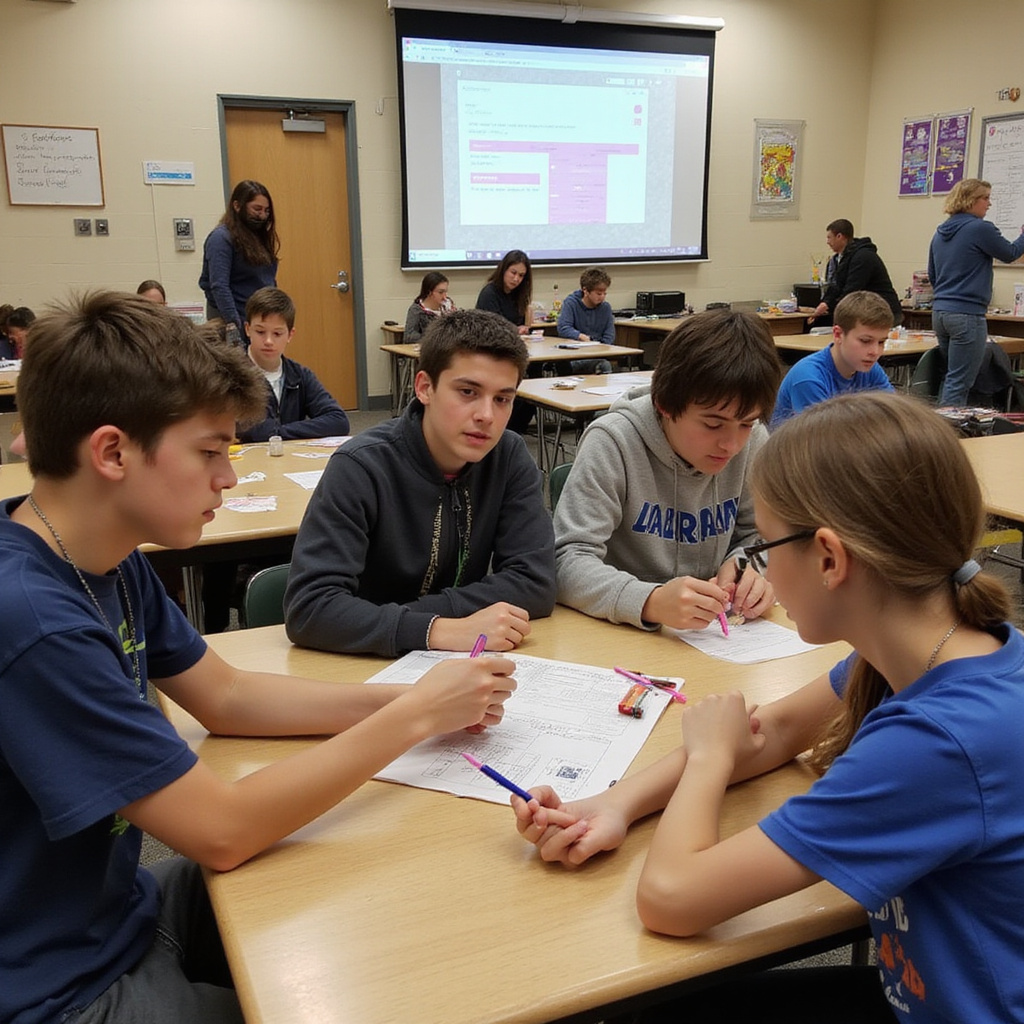
High school research programs for STEM students give teens structured access to authentic research rather than only traditional classroom labs. Students learn how to form research questions, conduct literature reviews, design research methods, test hypotheses, analyze data, and communicate findings in ways that mirror real scientific environments.
For district leaders and principals, these programs create measurable impact. Students return to math and science classes with stronger independence, clearer scientific reasoning, and higher confidence presenting ideas. That translates into stronger performance in advanced coursework, increased participation in STEM competitions, and clearer pathways into STEM majors and careers.
Highly selective models such as Research Science Institute, MITES, and Simons Summer Research demonstrate the power of structured research mentorship. However, districts do not need elite university partnerships to deliver meaningful results. A well designed local or virtual research mentorship model can achieve similar gains when aligned with curriculum and supported with clear structure.
These programs also support equity. By reducing barriers through transparent applications, mentorship, and financial support when possible, schools can expand access for students from underrepresented backgrounds and help them build competitive profiles for scholarships and admissions.
How STEM Research Programs Transform High School Learning Outcomes
Research programs move students from passive learning to ownership. Instead of completing short, predictable labs, students navigate uncertainty, revise methods, interpret authentic data, and defend conclusions. These skills strengthen performance across science, engineering, mathematics, and computer science coursework.
Students also build communication fluency. Poster presentations, structured showcases, and research reflections prepare them to speak confidently in interviews, competitions, and college admissions settings.
Key Components of Effective High School Research Programs for STEM Students
Strong programs include defined milestones and mentorship checkpoints. Students need a clear timeline that includes proposal approval, progress reviews, data analysis feedback, and final presentations.
Programs are most effective when they culminate in a tangible artifact such as a research poster, digital portfolio, presentation deck, or competition submission. These deliverables provide concrete proof of learning that strengthens college essays and recommendation letters.
How AGC Education Supports High School Research Programs for STEM Students
AGC Education helps districts build high school research programs for STEM students that are ambitious yet manageable. Our models are designed to fit real staffing structures, lab capacity, schedules, and budgets.
Districts can launch research programs in physics, engineering, computer science, biomedical science, neuroscience, environmental science, and interdisciplinary STEM areas. Programs can operate as summer research academies, semester capstone courses, after school research tracks, or yearlong pathways aligned with graduation requirements.
AGC Education provides structured curriculum frameworks, research methods templates, safety guidance, rubrics, and presentation models. Teachers receive training and pacing support so they can confidently supervise independent and group research projects.
We also support admissions planning, eligibility guidelines, and cohort sizing to ensure programs feel organized, selective, and sustainable.
From Concept to Classroom: A Guided Roadmap for STEM Research Programs
A successful rollout begins by defining the program model. Determine whether the research experience will be summer intensive, semester based, after school, or yearlong. Map existing assets such as labs, devices, and staff expertise. Then design a structured student journey that includes research design, experimentation or coding, data analysis, revision, and final presentation.
AGC Education supports this rollout with sample timelines, templates, and implementation tools that reduce guesswork.
Aligning STEM Research Projects with Standards, CTE Pathways, and Graduation Requirements
Research programs are most sustainable when aligned with standards and pathways you already track. AGC Education helps districts map research experiences to science and math standards, CTE sequences, and capstone expectations.
Students build projects that reinforce engineering design, computer science, biomedical pathways, and data science initiatives while supporting graduation and college readiness goals.
STEM Equipment and Technology That Power High School Research Programs
High school research programs accelerate when students have access to the right tools. When they can prototype, test, and revise quickly, research becomes tangible and motivating.
3D Printers, Laser Engravers, and Makerspace Tools
Makerspace tools support engineering, physics, and biomedical prototyping. Students can create robotics components, device prototypes, experiment fixtures, and design iterations that strengthen scientific inquiry.
Reliable equipment paired with training reduces downtime and keeps projects moving during peak research cycles.
Poster Printers and Large Format Systems
Poster printers and large format systems strengthen research communication. Students produce professional posters for STEM fairs, competitions, and research symposiums. These visible outcomes build community confidence and elevate student presentation skills.
Supplies and Consumables That Keep STEM Research Programs Running Smoothly
Hardware alone does not sustain a research program. Consistent access to consumables such as printing media, lab supplies, and fabrication materials prevents delays that disrupt student momentum.
Schools that forecast supply needs by cohort and research cycle protect budgets and maintain steady progress from proposal through final presentation.
Professional Development and Training for High School STEM Research Programs
Research programs succeed when teachers feel confident mentoring long term projects. Research supervision requires skills in project management, feedback cycles, and student coaching beyond standard classroom labs.
EmpowR Academy: Educator Designed Training
EmpowR Academy provides structured professional development in research methods, experimental design, data analysis, and mentorship frameworks. Teachers receive templates, timelines, rubrics, and coaching support that make research instruction sustainable.
Ongoing guidance ensures teachers have real time support when student projects encounter obstacles.
Designing Equitable and Inclusive High School Research Programs for STEM Students
Inclusive research programs expand access without lowering rigor. Transparent applications, flexible eligibility measures, and outreach efforts help widen participation.
Replacing narrow GPA thresholds with multiple indicators such as interest statements and teacher recommendations preserves selectivity while increasing opportunity. Financial support and flexible scheduling further reduce participation barriers.
Hybrid and virtual research mentorship options extend access to students who cannot travel or attend extended on campus sessions.
Evidence of Impact: Outcomes from High School Research Programs for STEM Students
Districts implementing research programs report higher enrollment in advanced STEM coursework, stronger persistence in math and science, and greater student confidence in laboratory work.
Research experience strengthens college applications, essays, interviews, and scholarship opportunities. Students graduate with tangible outputs such as portfolios, posters, and documented findings that demonstrate authentic experience.
Over time, consistent research cohorts create a culture of inquiry and academic ambition across the district.
How to Get Started with High School Research Programs for STEM Students
Start with a focused pilot cohort. Define a realistic schedule, establish clear milestones, and design a student journey that includes research methods instruction, proposal writing, experimentation or coding, analysis, and final presentation.
Audit existing assets first. Many schools already possess the foundational tools and staff expertise required to launch a research pathway. Structured templates and implementation support make the difference between an idea and a repeatable program.
If you want proven models, sample project pathways, and a guided roadmap, AGC Education can help you design and launch a rigorous, competitive, and accessible high school research program this year.
tass mathcamp cosmos research science institute rsi research science institute the rockefeller university cosmos minority introduction to engineering and science university of illinois tass mites rsi cosmos california state summer school for mathematics and science stanford institutes of medicine summer research program telluride association summer program rsi mites cosmos stanford institutes of medicine summer research program stanford institutes of medicine summer research program rsi rsi rsi cosmos cosmos cosmos minority introduction to engineering and science tass rsi rsi the rockefeller university university of illinois research science institute cosmos